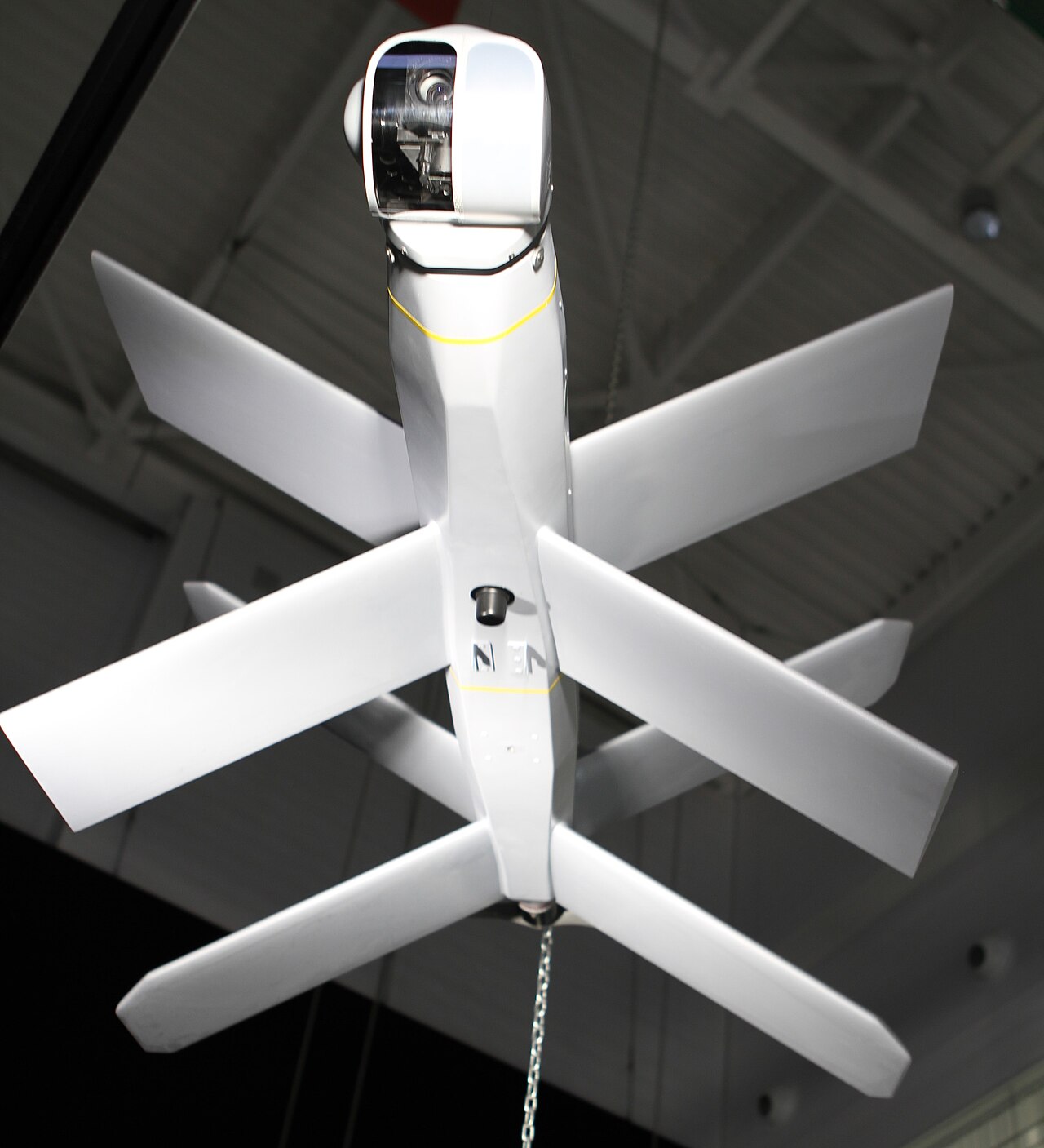
On September 15 Zelenskyy said a Ukrainian-developed interceptor had hit and destroyed a jet-powered Shahed, repeating it on the 17th and 19th, and on the 19th ordered production scaled up to ‘the necessary mass production’. No version of the claim names the interceptor, its maker, the Shahed variant, or where and when the engagement happened, and no air-force statement or footage accompanies it. More than 60 companies are working on the problem; a handful have shown results. Four days before the first claim, the deputy commander of the 3rd Army Corps said the opposite: ‘With the jet drones, we completely screwed up the initiative again … we don’t even know what to do about them.’ Jet Shaheds exceed 400km/h, about twice the propeller type, and testing has been hampered by that speed. On the ground the jamming contest is being bypassed rather than won. A fibre-optic drone trails a glass spool and has no radio link to jam — ranges reached 15 to 25 kilometres by early 2026. Russia’s own electronic warfare runs four tiers deep, down to roughly 5,000 cheap counter-drone devices a month.
The Whole Story
Since the initial invasion, the conflict in Ukraine has evolved from a maneuver war of rapid armored thrusts into a grueling, static war of attrition. Stalemated by dense minefields and deep fortifications, both sides have been forced to innovate rapidly to break the deadlock. The most defining tactical shift has been the mass deployment of First-Person View (FPV) drones, which have fundamentally altered the modern battlespace by providing precision air support in a war where neither side has achieved air superiority.
FPV drones emerged as a grassroots solution to 'shell hunger' and the high cost of traditional precision munitions. Built from cheap, commercially available racing drone components and strapped with RPG warheads or explosives, these drones cost only a few hundred dollars but can consistently destroy multimillion-dollar main battle tanks. By allowing operators to fly directly into the open hatches of armored vehicles, fly into dugout entrances, or pursue moving targets through complex terrain, FPVs offer a level of terminal guidance and maneuverability that traditional artillery cannot match.
The sheer volume of drone deployment has rendered the battlefield highly transparent, making large-scale mechanized assaults nearly impossible to conceal and pushing infantry to rely on small-unit 'meat assaults' or infiltration tactics. In response, countermeasures have rapidly accelerated. Both sides are increasingly relying on localized Electronic Warfare (EW) jammers to sever the radio link between the drone and its operator. Physically, vehicles have been retrofitted with improvised slat armor and, more recently, fully enclosed 'turtle tank' metal shells, sacrificing visibility and turret rotation in a desperate bid to survive the omnipresent drone threat.
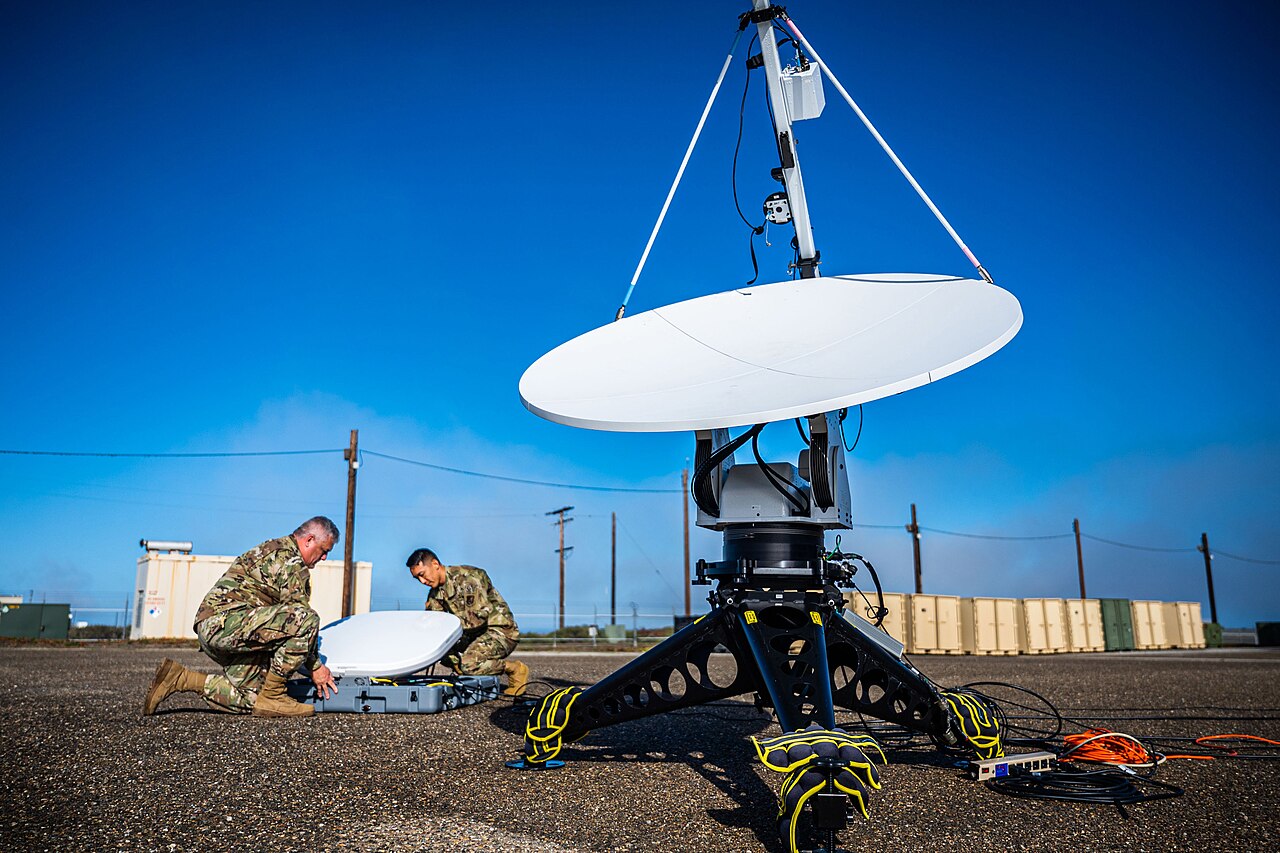
Through mid-2026 the tactical picture settled into a pattern of substitutions — each counter that worked pushed the opponent to a different weapon rather than to a better version of the same one — and then began to move past it. Jamming and interception, the two measures that had made cheap drones survivable to defend against, are now themselves the target: Russian one-way attack drones are being fitted with machine vision that lets them finish an attack through a severed command link, backed by jam-resistant satellite antennas and inertial navigation, and with jet engines that outrun an interception envelope built for propellers. By late 2026 the substitution had gone further than a change of weapon and become a change of mission. Because Ukrainian air defence had grown very good at killing slow drones on long-range raids, Russia stopped sending them on those raids: the piston-engine Geran-2 was reassigned to operator-guided attacks on railways, filling stations and industrial nodes twenty to two hundred kilometres behind the front. What made that possible was mesh radio. Fitted across the Russian fixed-wing fleet, it lets the drones relay for one another, so a chain of aircraft can carry a live control link far past the horizon — and it has moved the contest onto the link itself, which each side now attacks by bombing the other's relay towers and ground stations. The same logic runs through the rest of the battlefield. Because persistent drone observation makes any active operator locatable, both sides hunt each other's drone crews and their ground control stations, and Ukrainian pilots have begun flying over satellite links from hundreds of kilometres away — which moves the exposure to the launch crews who still assemble and place the aircraft by hand. Because a sniper who fires can be found from the air, special forces sniping has largely given way to drone piloting. Massed armour returns only in brief, dispersed, exceptional attempts inside a doctrine otherwise dominated by two-person infiltration. Above all of it sits Russian glide-bomb delivery, which no Ukrainian counter reaches in the air and which Ukraine therefore attacks on the ground by suppressing the air defences that shelter the aircraft. The institutional reading is that neither side's difficulty is invention: RUSI describes Russian learning as rapid at the tactical and technological level and terribly slow at the organisational, and both armies have spent the summer converting improvised drone capability into permanent commands and regiments — which is the test of whether that judgement still holds.
The war's least visible machines are the ones on the ground. Ukraine's uncrewed ground vehicles almost never fight: about nineteen of every twenty of their tasks are carrying supplies forward or carrying casualties back, and by the Defence Ministry's count they had run more than a hundred thousand such missions in the first eight months of 2026 alone, logged one by one in the DELTA battlefield system. The reason is the same drone saturation that governs everything else. Because anything moving within fifteen or twenty kilometres of the line can be seen and struck, the last stretch of the supply chain — and the first stretch of a wounded soldier's journey out — became the most lethal ground on the battlefield, and it is now increasingly crossed by machines. Losing one costs a vehicle rather than a stretcher party, which is a trade Ukraine, short of people, will make repeatedly; brigades report losing several a day and keep sending them. Their limit is not toughness but the control link: many were built for a two-to-five-kilometre radio leash and are being asked to drive routes four times that long, so crews juggle radio, satellite, fibre-optic cable and airborne relays, and Russian jamming of satellite frequencies now reaches them too. Which is the same sentence the air war keeps writing. Whoever can keep a link alive at depth, keeps fighting at depth.